


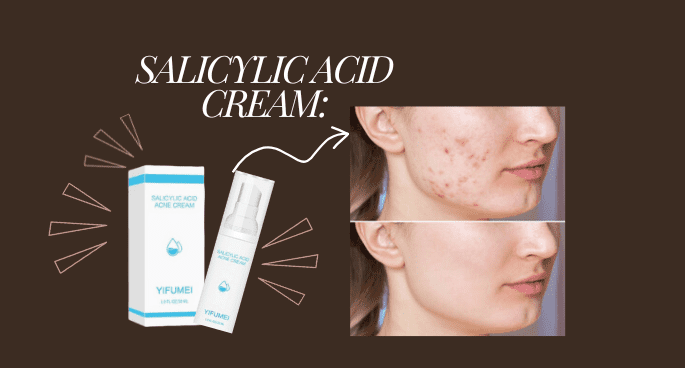
From Acne to Smooth Skin: The Magic of Salicylic Acid
Acne — the dreaded skin condition that can strike at any moment, leaving us feeling self-conscious and frustrated. Whether it’s a small pimple or a stubborn breakout, we’ve all been there, staring in the mirror wondering how to get rid of it. If you’re tired of the constant battle with acne, it might be time to discover the magic of salicylic acid. This powerful ingredient is more than just a trend; it’s a proven acne-fighting hero. Let’s dive into how salicylic acid works its wonders and why it might be the key to unlocking smooth, clear skin.
What is Salicylic Acid?
Salicylic acid is a type of beta-hydroxy acid (BHA) that has long been celebrated for its ability to combat acne. Derived from willow bark, this gentle yet effective exfoliant penetrates deep into your pores to address one of the root causes of acne — clogged pores. Unlike other skincare ingredients that work on the surface, salicylic acid dives deep, helping to clear out impurities and reduce inflammation. It works by exfoliating the skin, removing dead skin cells, and preventing the build-up of excess oil, which often leads to breakouts.
How Does Salicylic Acid Fight Acne?
Acne typically forms when your pores become clogged with a mix of oil, dead skin cells, and bacteria. Salicylic acid is designed to break down these blockages from within. By exfoliating your skin and dissolving the oils and debris in your pores, salicylic acid helps to prevent pimples, blackheads, and other blemishes. It also has antibacterial properties, which help fight off the bacteria that contribute to acne.
Additionally, salicylic acid reduces the skin’s oil production, lowering the chances of future blockages and breakouts. By tackling the problem from multiple angles, salicylic acid helps your skin stay clearer for longer.
Which Types of Acne Can Salicylic Acid Treat?
Salicylic acid is incredibly versatile, treating several different types of acne, including:
- Pustules: Inflamed pimples filled with pus that are painful to the touch.
- Papules: Small, hard bumps that form under the skin and contribute to rough skin texture.
- Blackheads: Clogged pores that appear as dark bumps due to oxidized oil and dead skin.
- Whiteheads: Small, white bumps caused by clogged pores that trap oil and bacteria.
No matter the type of acne you’re dealing with, salicylic acid can help clear out the underlying blockages, leaving you with smoother, clearer skin.
The Right Way to Use Salicylic Acid
To make the most out of salicylic acid, it’s essential to use it correctly. Whether you choose a cleanser, toner, or spot treatment, it’s important to start slow, especially if you have sensitive skin. Over-the-counter products typically contain salicylic acid concentrations between 0.5% and 2%. Here’s a simple guide to get started:
- Start Slowly: If you’re new to salicylic acid, begin by using it once a day and gradually increase to twice a day as your skin becomes accustomed.
- Follow Instructions: Always read and follow the instructions on the product’s label to ensure you’re using it correctly.
- Moisturize: Salicylic acid can dry out your skin, so be sure to follow up with a hydrating moisturizer.
- Sun Protection: Since salicylic acid can increase sun sensitivity, apply sunscreen daily to protect your skin.
For more intense treatments, like chemical peels that use higher concentrations of salicylic acid, it’s best to leave those to a professional.
Salicylic Acid as an Exfoliant
Besides its acne-fighting abilities, salicylic acid is an excellent exfoliant that helps to smooth out your skin’s surface. By gently removing dead skin cells, it promotes skin renewal, which is especially helpful for fading acne scars and hyperpigmentation. For those struggling with stubborn dark spots or rough texture left behind by previous breakouts, regular use of salicylic acid can help to reveal brighter, more even skin.
Possible Side Effects of Salicylic Acid
While salicylic acid is generally safe, there are some potential side effects to be aware of, especially for those with sensitive skin. Common side effects include:
- Mild burning or stinging
- Dryness or peeling
- Skin irritation
If you experience any discomfort, reduce the frequency of use or opt for a gentler formula. If irritation persists, it’s a good idea to consult a dermatologist to find a solution that works for your skin type.
Precautions When Using Salicylic Acid
To maximize the benefits and minimize any risks, here are a few precautions to consider:
- Patch Test: Always patch-test any new salicylic acid product on a small area of your skin before applying it all over your face.
- Avoid Overuse: Overusing salicylic acid can lead to excessive dryness or irritation, so be mindful of how much you apply.
- Sensitive Areas: Avoid applying salicylic acid near your eyes, mouth, or other sensitive areas.
- Sunscreen: Since salicylic acid increases sun sensitivity, make sunscreen a daily must-have.
If you have underlying conditions or are allergic to salicylic acid, consult your doctor before use.
Salicylic Acid vs. Benzoyl Peroxide
While both salicylic acid and benzoyl peroxide are popular acne treatments, they work differently. Salicylic acid focuses on exfoliating and clearing out clogged pores, while benzoyl peroxide targets the bacteria that cause acne. Depending on your skin’s needs, you might choose one over the other or even combine them, but be cautious as using both too often can dry out the skin.
Additional Acne Treatments to Consider
If salicylic acid alone isn’t enough to tackle your acne, there are other options to explore. Retinoids like adapalene work to increase skin cell turnover and clear clogged pores, while oral treatments like antibiotics or spironolactone may be recommended for more severe cases. If you’re still struggling with persistent acne, a dermatologist can help create a tailored treatment plan.
Skin Care Tips for Clearer Skin
Alongside using salicylic acid, here are a few simple tips to keep your skin clear:
- Wash your face twice daily with a gentle cleanser to remove dirt and oil.
- Avoid touching your face with unwashed hands.
- Always wear sunscreen, even on cloudy days.
- Stick to your skincare routine consistently, giving it time (6-8 weeks) to show results.
When to See a Doctor
If you’ve been using salicylic acid consistently for 6-8 weeks without seeing results, or if your acne worsens, it may be time to consult a dermatologist. They can offer professional advice and suggest stronger treatments, if necessary.
Conclusion
Salicylic acid is a game-changer for those battling acne. With its deep pore-clearing action and oil-reducing properties, it goes beyond just surface-level treatments, addressing the root causes of acne and helping to prevent future breakouts. While side effects are rare, they are usually mild and can be managed with proper use. Be patient, stay consistent, and with time, you’ll be on your way to smooth, clear skin. Ready to start your journey? Let salicylic acid work its magic on your acne today!